Why a Bike and Not a Billboard
Advertising on a bike sounds like a stunt until you think about where a bike goes and at what height. This post sets out the case for a wrapped bike against static outdoor advertising, honestly: what it offers, what it does not, and who it suits.
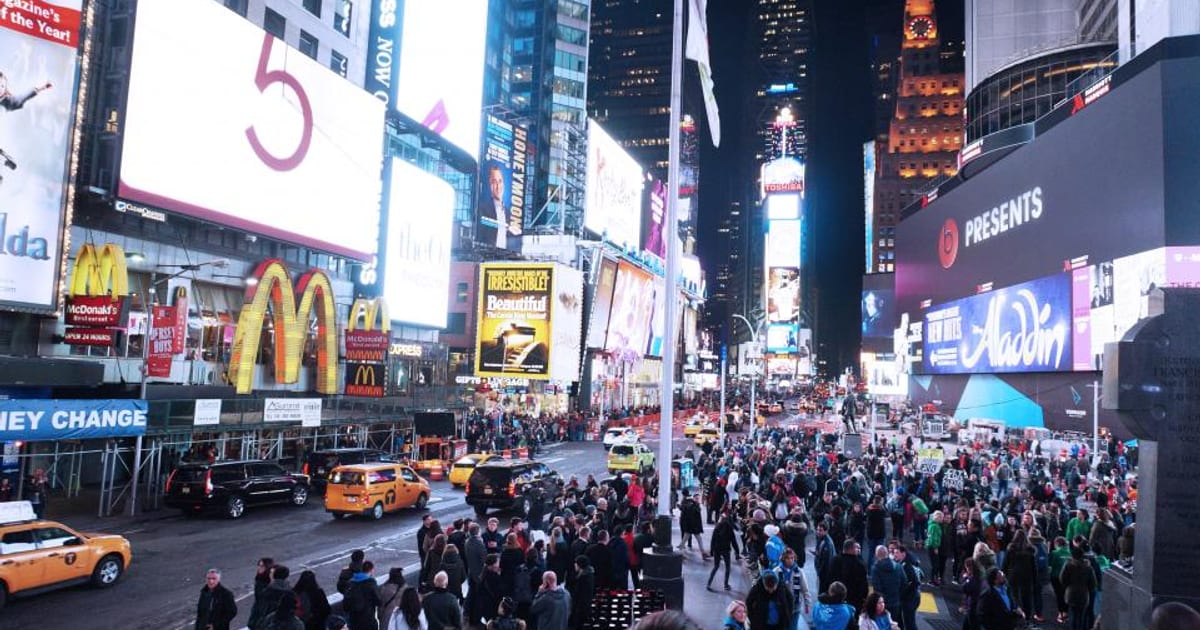
A billboard is a rectangle above the eye line that nobody looks at on purpose. A bike is a machine at eye level that people look at because it is moving, because it is at a red light next to them, because it is leaning outside the cafe where they are sitting. brandmybicycle puts a logo on the second thing. This post makes the case plainly and says what the bike does not offer as clearly as what it does.
Eye level
Outdoor advertising mostly lives above the head: billboards, bus sides, hoardings. A road bike in traffic sits at the height of a car window, and a bike leaning on a wall sits at the height of a cafe table. The down tube of a bike filtering past a queue of cars is a metre from the driver’s face. Nothing has to be designed to draw the eye there; the eye is already there.
It moves
A billboard is seen by the people who pass one spot. A bike passes every spot. The road bike rides city centres, commutes, climbs and descents; the gravel bike rides passes, forest tracks and villages. The same logo is in a city junction in the morning and at the top of a pass in the afternoon, and the only thing that changed is where the bike went.
It comes back
A commute is the same route at the same time. A logo on a bike riding it is seen by the same people repeatedly, which is what repeat exposure costs a fortune to buy elsewhere and comes with the bike here. The bike does not need to be noticed the first time; it is there again tomorrow.
Nobody else is there
Past the tarmac there is no advertising at all. On a forest track, in a village square or at the top of a pass, a wrapped bike is the only message for kilometres. For a brand that sells to the people in those places, there is no other way to be seen there. Our post on where the gravel bike goes describes that world.
It lasts
A billboard is rented by the month. A zone on a bike is bought once and the vinyl stays on for the life of the bike. There is no renewal, no second charge and no end date other than the bike’s own. The wrap is refreshed from time to time, and a sponsor can replace artwork once per reprint, but the zone is theirs throughout.
What it does not offer
Honesty cuts both ways. A bike offers no targeting beyond where it rides. It offers no impression count; brandmybicycle does not claim one, and the films on the two board pages are the evidence of where the bike goes, not a number. It offers no scale: there is one bike per board, and when the board fills it closes forever. It is a small, specific, permanent thing, and it suits a brand that wants that rather than a brand that wants reach.
Who it suits
A cafe, a bike shop, a clothing brand, a local business on the commute route, a company whose people ride, an outdoor brand whose customers are in the hills, a brand that likes being the only logo on a road. It also suits anyone who has looked at outdoor advertising rates and wondered what else a few hundred dollars could put in front of people, because the small zones on either bike start there and the price of every zone is on the page.
What the films are for
Each bike page carries a handlebar film of a real ride on that bike, unedited and silent. They exist because “where the bike goes” is a claim, and a claim about a moving billboard ought to be something you can watch. The road film is daylight, tunnels and traffic at the speed of the cars; the gravel film is night, a headlight beam and empty tarmac. Both are the plainest evidence the site offers, and the site offers them instead of a number.
Small zones, small brands
Not every zone is the down tube. The stem, the seatpost, the crank arm and the bottle are small surfaces at small prices, and they are on the same bike, on the same board, for the same life. A brand that could never buy outdoor advertising can buy a crank arm, and the crank arm goes everywhere the down tube goes.
Two bikes, two audiences
The road bike rides the city and the gravel bike rides past it. A brand for commuters, cafes and city streets belongs on the first; a brand for the hills belongs on the second; a brand for both takes a zone on each, as two bikes, two boards describes.
The honest mechanism
The thing that makes this more than a stunt is the mechanism around it: zones priced from their real area and visibility, each sold once, a board that shows every sponsor and nothing invented, and a goal that either fills and prints or refunds everyone in full. How brandmybicycle works walks through it, and the refund rule explains why nothing is printed before the goal fills. A bike is a better billboard; the rules are what make it a safe one to pay for.
Questions
Is this a joke project?
No. Two real Scott bikes, real vinyl, real rides, a real board of sponsors and a refund rule if the goal does not fill.
How many people will see my logo?
brandmybicycle does not claim a number. It shows where the bike goes, on film, and leaves the estimate to you.
How long does it last?
For the life of the bike. The vinyl goes on when the goal fills and stays on until the bike is retired. No renewal.
What kind of brand does this suit?
One whose customers are on the streets, in cafes, on climbs or outdoors, and one that would rather be the only advert on a road than one of a hundred on a wall.
What does it not offer?
Targeting, reporting and scale. It is one bike per board, in the places that bike goes.