Choosing a Zone on the Bike: Where Your Logo Rides
Twenty-one zones on the road bike, twenty-four on the gravel bike, each a different surface seen by different people. This post walks the frame from front to back and tells you what each zone is actually seen by, so you pick with your eyes open.
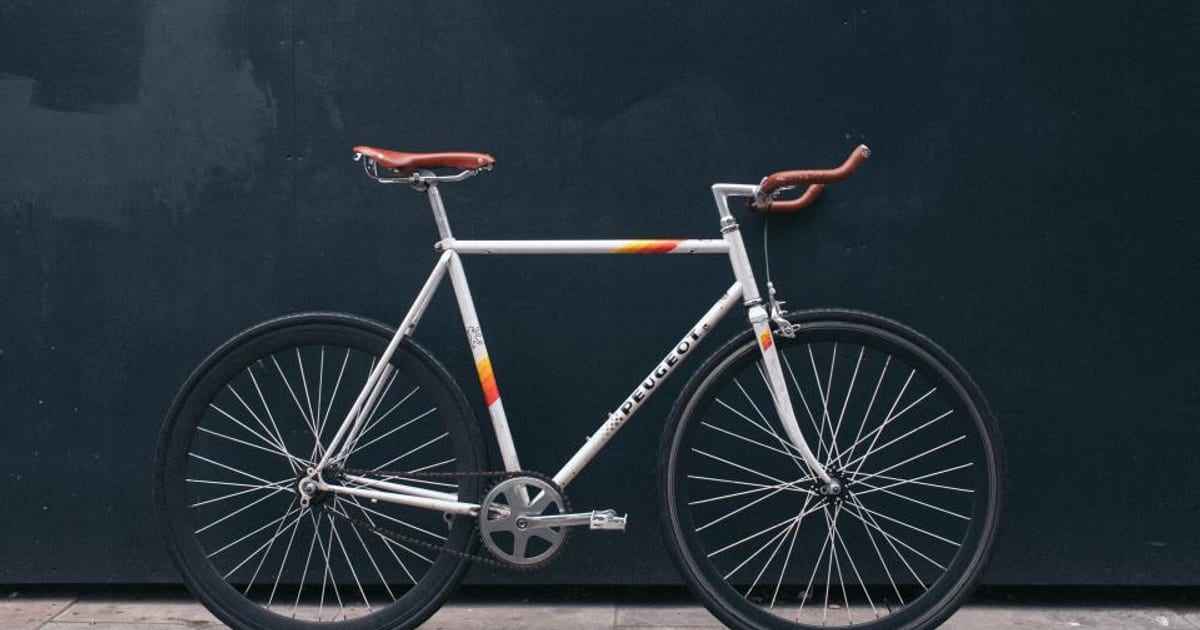
A bike is not one surface. It is twenty or so, facing different directions, seen by different people, some the size of a hand and some the size of a forearm. Picking a zone is picking which of those surfaces carries your logo for the life of the bike. This post walks the frame and says plainly what each zone is seen by, so the choice is made with open eyes rather than by price alone.
The down tube
Upper and lower, two zones, on both bikes. The down tube is the long tube from the head tube to the bottom bracket, and it faces the side of the road the bike passes. Every car that overtakes, every pedestrian the bike rolls past, every photograph from the side sees it first. It carries the highest visibility factor and the largest print area of any zone, and it is priced accordingly. If you want the surface the road sees most, this is it.
The top tube
Front and rear. The top tube faces up and forward, so it is seen by the rider, by anyone looking down at the bike at a cafe stop and in photographs from above. It is a good surface for a wordmark, because it is long and flat, and its factor sits in the middle.
The seat tube and head tube
The seat tube, upper and lower, runs behind the bottle and is seen from the side, partly behind the rider’s leg. The head tube is the short front face of the frame, seen head-on by whatever the bike is riding towards. Both sit at a middle factor, and the head tube in particular suits a small square mark.
Stays and fork
The seat stay and chain stay are the thin tubes at the back, lower and partly hidden by the wheel and the rider’s heel. The fork blade and fork crown are at the front, seen from the side and head-on. These carry a slightly lower factor than the main tubes. On the gravel bike the chain stay is longer and more exposed, and there is a fork cargo mount, a surface the road bike does not have.
The rims
Front and rear, upper and lower, four zones. Rims spin, and a spinning surface is seen from the side by everyone the bike passes. They carry a high factor on the road bike’s deep aero wheels and a somewhat different one on the gravel bike’s wider rims, which carry more print area. A rim suits a simple mark or a short wordmark; fine detail blurs when the wheel is moving.
Bar, stem, saddle, seatpost, crank and bottle
These are the small zones, seen mostly by the rider and by anyone standing next to the bike. They carry the lowest factor and the lowest prices. They suit a brand that wants to be on the bike and on the board without taking the largest surface, or a brand whose customers are the kind of people who look closely at bikes. The bottle is the one zone that is also handled, every time the rider drinks.
Picking with the price and the preview
The price of each zone is derived from its area and factor, so a high price means a large, visible surface and a low price means a small or rider-facing one; how zone prices are worked out explains the method. The preview is the other tool: upload your logo in the claim form and it lands in the zone you picked before you pay anything. A logo that looks right on the down tube may be too wide for the head tube or too detailed for a rim. Try it in the preview before you commit. Preparing your logo covers what makes a mark work in vinyl.
Matching the mark to the surface
The rough rule is that wide marks go on long tubes, square marks go on the head tube and fork crown, and symbols go on rims. A wordmark on a rim becomes a smear at speed; a tall square mark on the down tube wastes most of the tube. The preview exists so that you do not have to take this on trust: put the file in the zone and look at it at the size it is.
More than one zone
A sponsor can hold more than one zone, and some pairings make sense: both halves of the down tube for one long mark, or the upper down tube and a rim so that the logo is seen both from the side when the bike is stopped and from the side when it is moving. Each zone is a separate claim at its own price, and each shows on the board as its own row.
If the zone you want is taken
Zones close as they are paid for, and the one you had in mind may already carry someone else’s logo. The nearest equivalent is usually the other half of the same tube, or the same surface on the other wheel. Failing that, the same zone on the other bike is a separate claim at that bike’s own price, in front of different people.
The two bikes
The road bike has 21 zones and the gravel bike has 24, with the extra surfaces on the gravel side. The same zone name is priced separately on each. If the zone you want is taken on one bike, it may still be open on the other, where it goes to different places and is seen by different people.
Questions
Which zone is seen by the most people?
The down tube, upper and lower. It faces the side of the road the bike passes and carries the highest visibility factor on both bikes.
Are the rims a good zone?
They spin and are seen from the side by everyone the bike passes, and they carry a high factor. A simple mark reads best there, because it is moving.
What about the bar, stem and saddle?
Those are seen mostly by the rider and carry the lowest factor and the lowest prices. They suit a brand that wants to be on the bike without the largest surface.
Can I see my logo in the zone before I pay?
Yes. Upload the logo in the claim form and it lands on the bike in the preview at once, in the zone you picked.
Do the two bikes have the same zones?
Mostly. The gravel bike adds surfaces such as the fork cargo mount and wider rims, and prices every zone on its own.